Ceramic Coating vs. Wax vs. PPF: A Boston Driver's Guide
If you drive in Boston, you already know your car takes a beating.
Between the road salt MassDOT dumps from October through April, the freeze-thaw cycles that crack everything from asphalt to clear coats, the tight parking garages under the Prudential and along Newbury Street, and the summer UV that bakes paint on the Southeast Expressway — your car's finish is under attack 365 days a year.
So when it comes to protecting your paint, you've probably heard three options thrown around: wax, ceramic coating, and paint protection film (PPF). But what's actually the difference? Which one is worth your money as a Boston driver? And do you need all three?
Let's break it down — straight, no fluff.
Wax: The Classic Option (And Its Limits)
Wax has been around forever, and for good reason — it's cheap, it's easy to apply, and it gives your car a nice shine. Traditional carnauba wax creates a thin hydrophobic layer on top of your paint that repels water and light contamination.
The problem? That layer lasts 4 to 8 weeks under normal conditions. In Boston? You're lucky to get a month before road salt, rain, and automatic car wash brushes have stripped it off completely.
Wax offers zero protection against UV oxidation, chemical etching, or the kind of abrasion you get from scraping ice off your windshield in February. It's essentially a cosmetic treatment — it makes your car look good temporarily, but it doesn't actually protect your paint from the environment.
For casual drivers who detail once or twice a year and just want a quick shine, wax is fine. But if you care about your paint long-term, wax alone isn't going to cut it in New England.
Best for: Budget-conscious owners who want a quick cosmetic refresh. Not ideal for: Anyone dealing with Boston winters, daily commuters, or owners of newer or higher-value vehicles.
Ceramic Coating: The Long-Term Shield
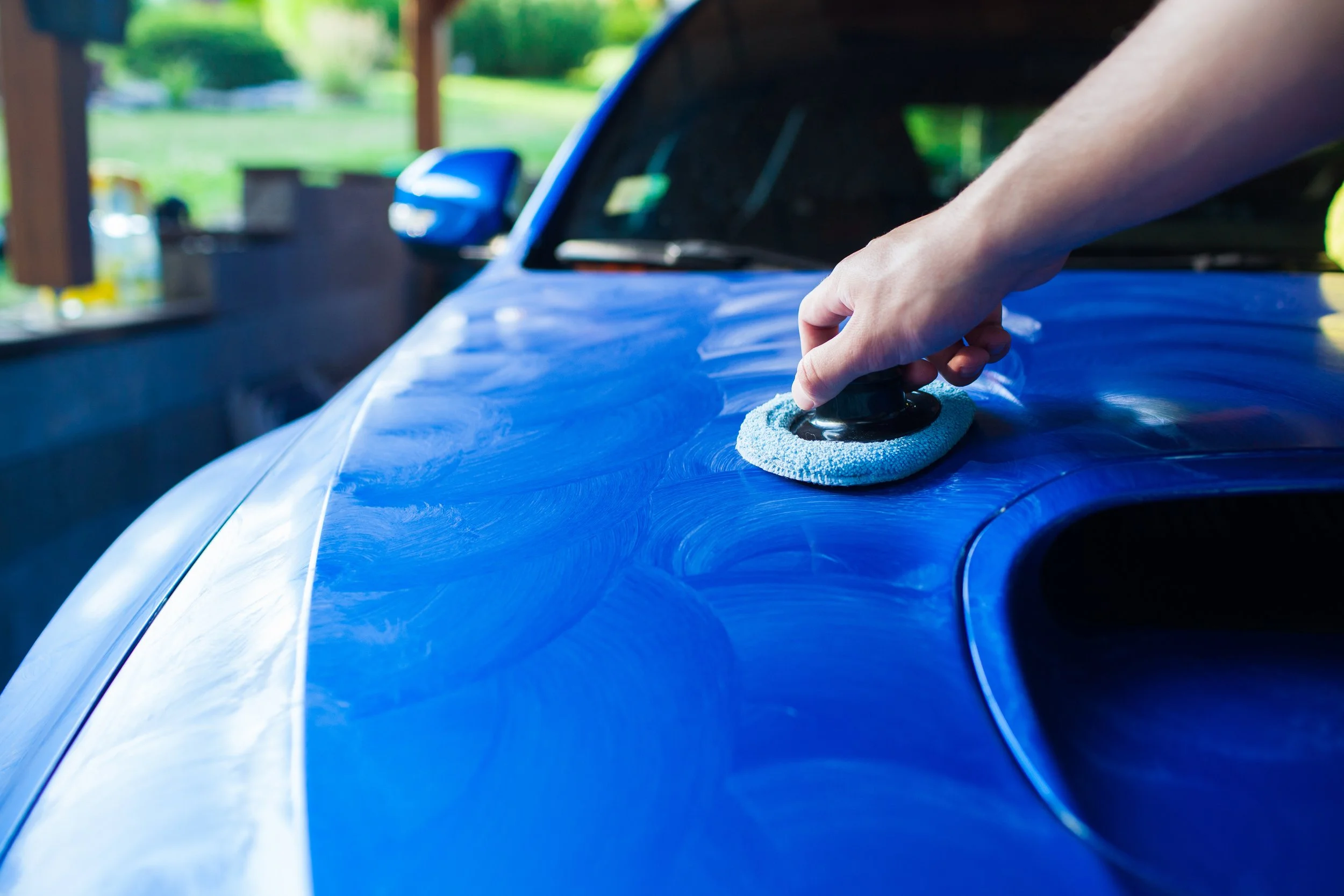
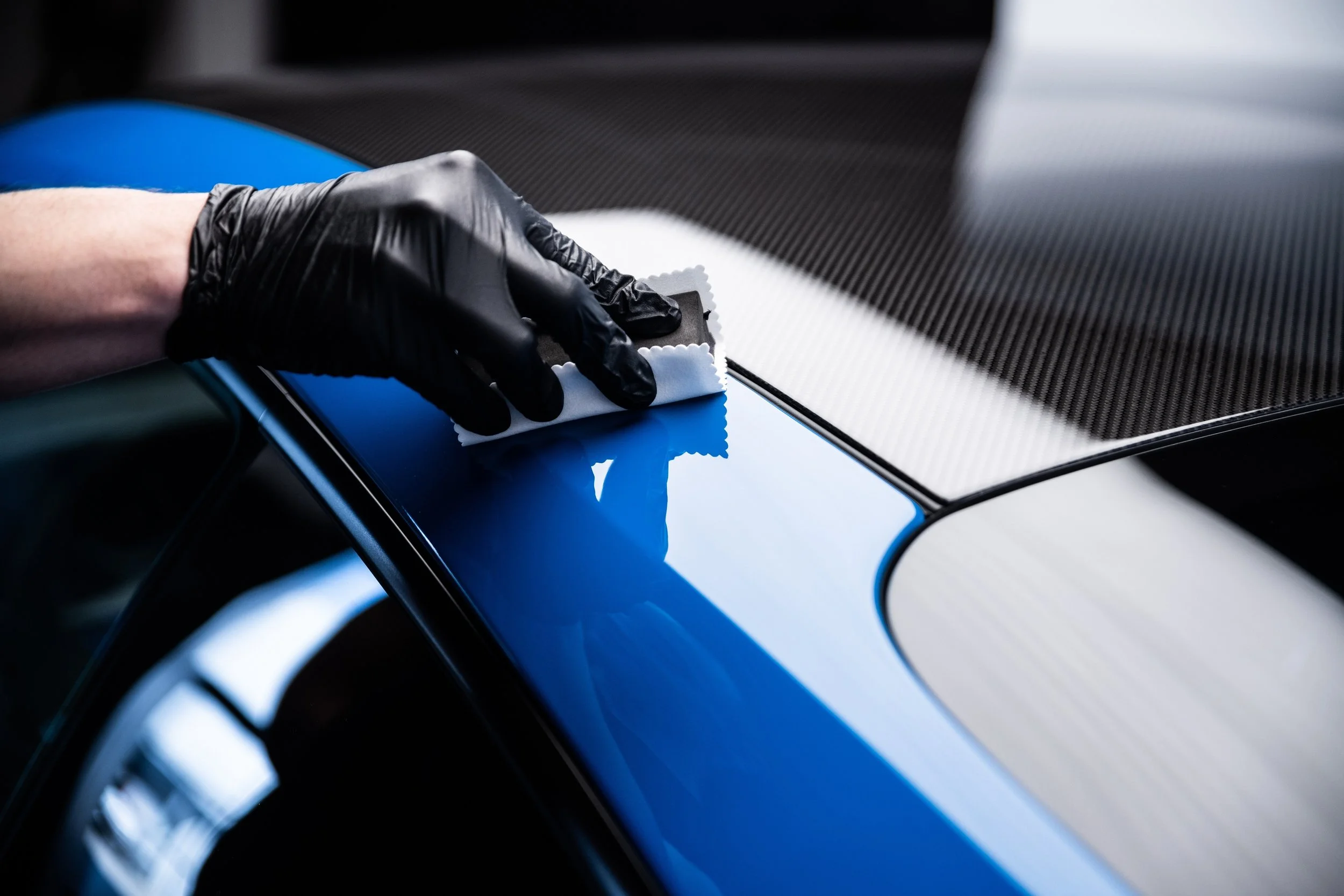
Ceramic coating is where things get serious. Unlike wax, which sits on top of your paint, ceramic coating bonds chemically with your clear coat to form a semi-permanent protective layer. It's rated at 9H hardness, meaning it's significantly harder than your factory paint and highly resistant to swirl marks, chemical stains, UV rays, and — critically for Boston drivers — road salt.
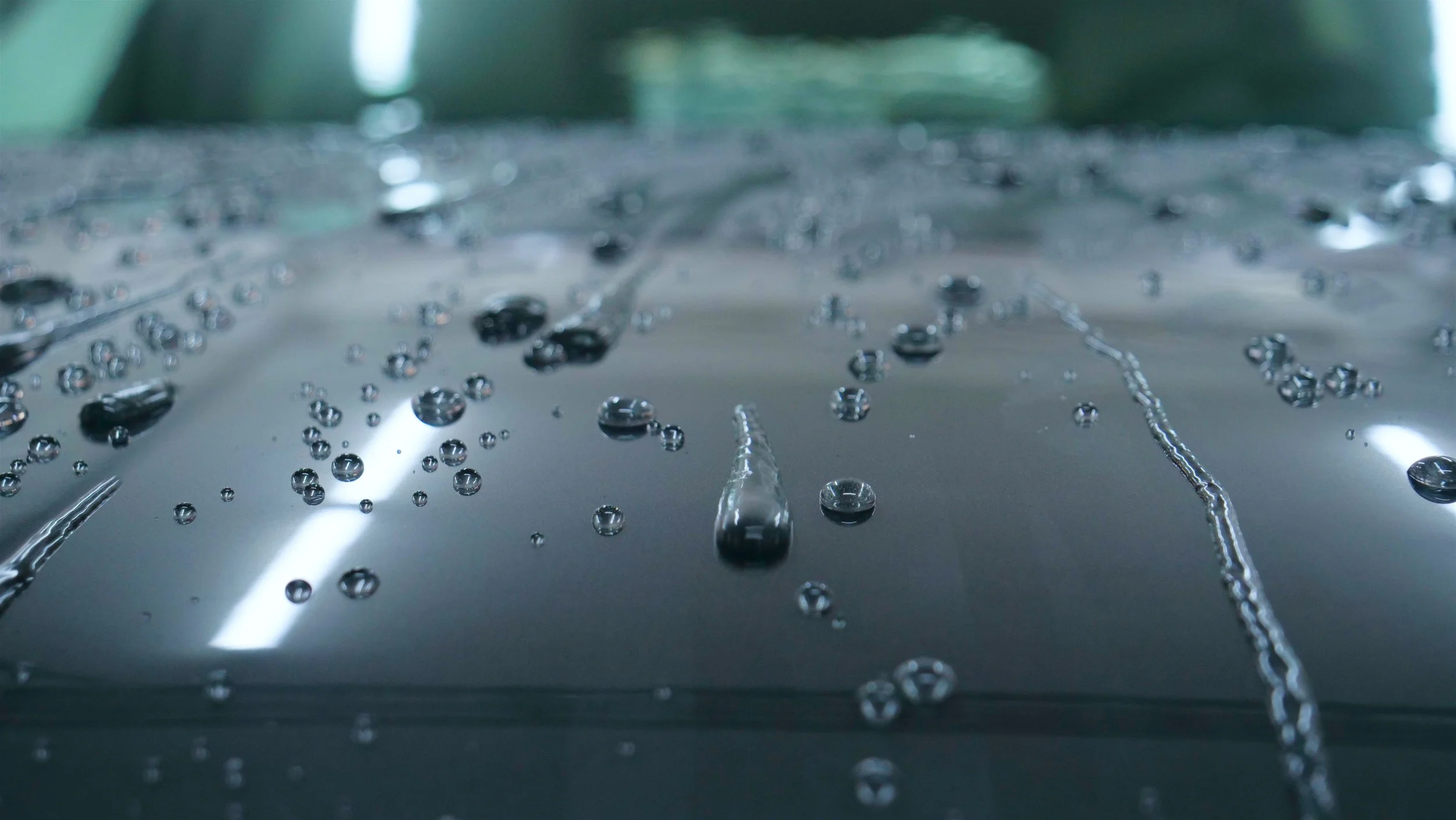
The hydrophobic properties of a quality ceramic coating are on another level compared to wax. Water doesn't just bead — it sheets off completely, taking salt and dirt with it. That means less washing, less contaminant buildup, and far less damage accumulating over the winter months.
A professional ceramic coating lasts 2 to 7 years depending on the product tier. Yes, it costs more upfront than a can of Meguiar's. But when you factor in the paint preservation, reduced detailing costs, and stronger resale value, it pays for itself several times over.
Best for: Daily drivers, commuters, SUV owners, anyone who parks outside year-round, luxury and performance vehicle owners. Not ideal for: Owners of true daily beaters with already-damaged paint who aren't planning to correct it first.
Paint Protection Film (PPF): The Heavy Armor
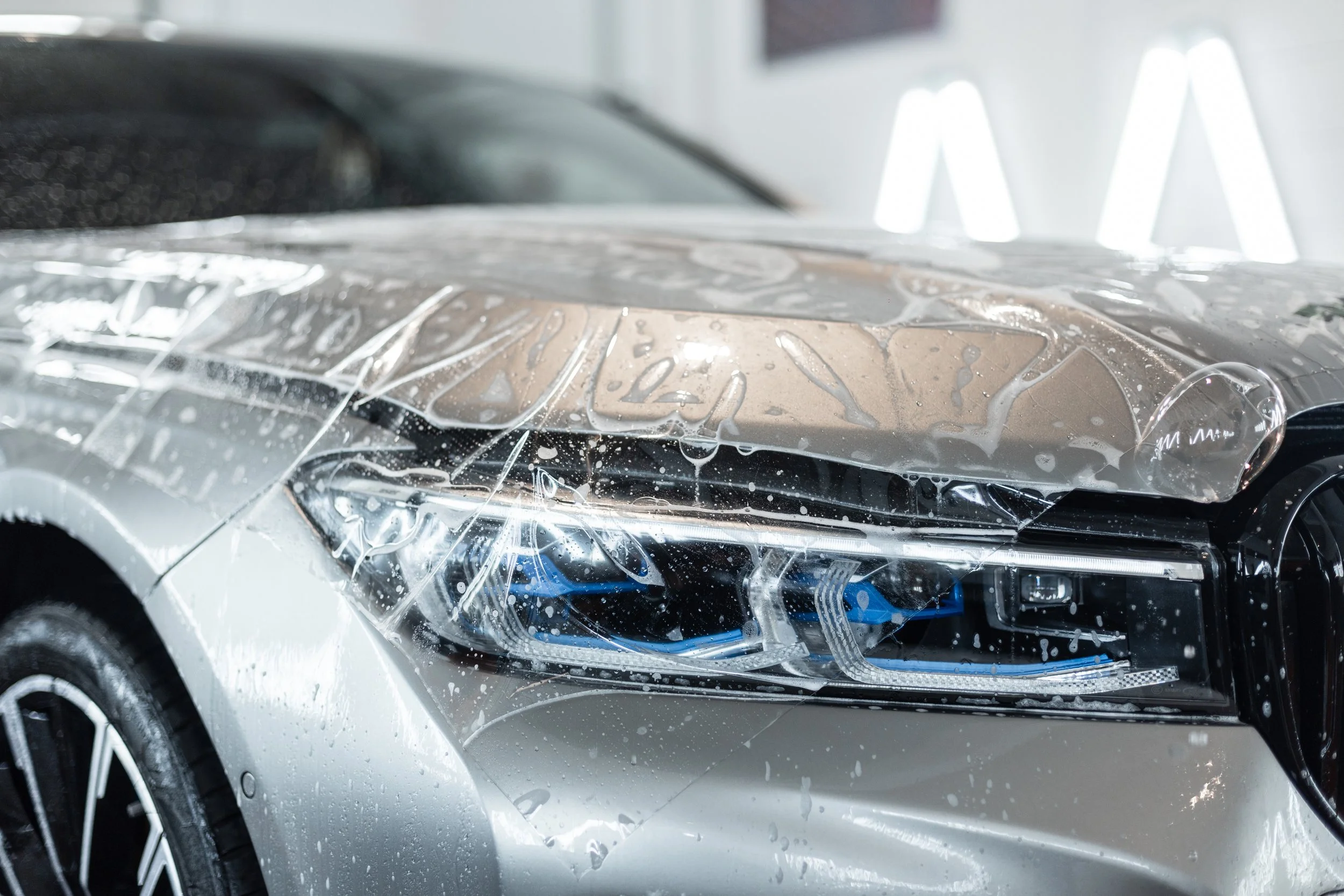
PPF is the most serious — and most expensive — paint protection option available. It's a thick thermoplastic urethane film, typically 6–10 mils, that physically absorbs impact. Rock chips from the highway, door dings in a parking garage, road debris flying off a truck on Route 93 — PPF takes the hit so your paint doesn't.
Unlike ceramic coating, PPF offers self-healing properties. Minor scratches in the film disappear with heat (sunlight or warm water). It's essentially invisible armor on your car's most vulnerable surfaces.
The trade-off is cost and coverage. A full vehicle PPF wrap can run several thousand dollars. Most drivers opt for partial coverage — hood, front bumper, mirrors, and door edges — on the high-impact zones, then ceramic coat the rest of the vehicle.
Best for: New vehicles, high-value cars, anyone who regularly drives highways, luxury or exotic vehicles. Not ideal for: Owners on a tight budget or those with older paint that hasn't been corrected first.
Which One Is Right for You? (The Boston Answer)
Here's how we recommend thinking about it as a Greater Boston driver:
If you have a newer or higher-value vehicle — do PPF on the front end (hood, bumper, fenders, mirrors) and ceramic coat the entire car over the top. This is the gold standard and what we recommend to owners in Wellesley, Weston, and Chestnut Hill who are driving BMWs, Audis, Teslas, and Porsches.
If you have a daily driver you want to protect without the PPF investment — a professional multi-layer ceramic coating is your best move. It will handle Boston winters, road salt, and UV far better than anything else at the price point.
If your paint has swirl marks, scratches, or oxidation — you need paint correction before either option. Ceramic coating locks in whatever's underneath it, and PPF film over damaged paint looks terrible. Always correct first.
Real Result: A Newton MA BMW Gets Its Finish Back
Earlier this year, a client in Newton brought us his 2021 BMW M340i. The car had two Boston winters on it — the paint was covered in swirl marks from automatic car washes, had road salt etching along the lower panels, and the clear coat on the hood was starting to show oxidation.
Here's what we did:
Full decontamination wash — clay bar, iron decon, IPA wipedown
Two-stage paint correction — removed approximately 85% of surface defects
Two-layer ceramic coating — applied panel by panel over two days
Wheel face coating and glass coating included
The result: The paint looked better than it did when the car left the dealership. The deep metallic blue popped in a way it hadn't since day one. The owner told us he'd washed the car three times since the coating and it took less than 20 minutes each time — "it just doesn't hold dirt."
That's the real-world difference a professional ceramic coating makes on a Boston car.
FAQs
Can I wax my car after ceramic coating? You don't need to — and you shouldn't use traditional wax on a ceramic-coated car. It interferes with the coating's hydrophobic properties. Use a ceramic-specific detail spray for maintenance instead.
How long does ceramic coating take to cure in Boston's climate? Full cure takes 48–72 hours. We recommend keeping the car dry and avoiding rain during that window. Temperature matters too — we avoid application days below 50°F.
Does ceramic coating protect against rock chips? Ceramic coating is scratch-resistant, not chip-proof. For rock chip protection, PPF on high-impact areas is the right call. Many of our clients combine both.
Do I need paint correction before ceramic coating? Almost always, yes. Ceramic coating is not a fix for paint damage — it amplifies what's there. Correcting first means the coating goes on flawless paint and stays that way.
Book a Free Paint Assessment — We Come to You
Whether you're in Brookline, Cambridge, Quincy, Newton, Wellesley, or anywhere across Greater Boston — K&N Mobile Detailing comes to your driveway. No shop drop-off, no waiting room, no hassle.
We'll assess your paint, walk you through the right protection package for your vehicle and budget, and give you an exact quote — no pressure, no obligation.
📞 Call or text: (857) 349-9994
🌐 Book online: Here
Serving Boston, Brookline, Newton, Cambridge, Quincy, Somerville, Wellesley, Weston, Chestnut Hill, Needham, Lexington, Waltham, Dedham, and all surrounding Greater Boston suburbs.